

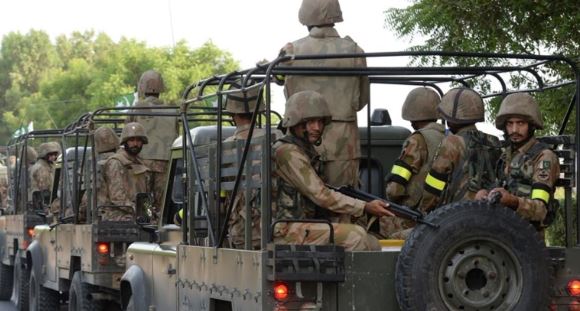
With terror incidents continuing unabated, the ongoing talks between the Pakistani government and the outlawed Tehreek-e-Taliban Pakistan (TTP) being held in Afghanistan are heading for a collapse. This might further complicate Pakistan's government's efforts to end nearly two decades of militancy in the restive border region. In July, Pakistan recorded 99 terrorism-linked fatalities as compared to 102 in June.
Data shows civilian fatalities fell from 20 to 11 (45%) and security forces deaths came down from 51 to 38 (25.49%), while terrorist fatalities increased from 31 to 50 (61.29%). But despite the fall in fatalities among security forces, the number of deaths in this category remains high. Though no organisation has claimed responsibility for most of these killings, given the fact that most of the fatalities occurred within the area of the TTP's operation in Khyber Pakhtunkhwa, it is quite likely that the terror group was behind these attacks.
Additionally, the rift within the ruling alliance, bitterness between Imran Khan's Pakistan Tehreek-e-Insaaf and the government, and the dire economic situation are shaping up to further destabilise the system.
In July, Pakistan's economic conditions worsened noticeably and are likely to deteriorate further. On July 29, the rupee fell to an all-time low in the open market, trading as high as 250 against the dollar. The rupee has depreciated by 20 per cent in the past few months. One of the reasons for the plunge of the rupee is the market panic due to political instability.
On July 27, the State Bank of Pakistan reported that Pakistan’s current account deficit had increased to a four-year high of USD 17.4 billion in the fiscal year 2021-22. The deficit was just 2.8 billion in the fiscal year 2020-21. The massive gap indicates the severe balance of payments problems.
Not surprisingly, Pakistan is making all efforts to secure loans to help tide over the crisis. On July 29, army chief General Qamar Javed Bajwa had a telephonic conversation with US deputy secretary of state Wendy Sherman to request help in securing an early disbursement of funds from the IMF in a bid to avoid default.
The latest impasse comes after the TTP refused to back down from its demand for the reversal of the merger of erstwhile Federally Administered Tribal Areas with the Khyber Pakhtunkhwa province.
The Federally Administered Tribal Areas were merged with the Khyber Pakhtunkhwa province in May 2018 through a constitutional amendment. The TTP wants the Federally Administered Tribal Area merger reversed, as it undercuts their regional influence. The demand is a non-starter for Islamabad.
The outfit has also refused to lay down the arms in case a peace deal materialises. Between July 25 and 28, a 13-member Pakistani Ulema delegation of the Deobandi School, including Mufti Taqi Usmani and other members drawn from Karachi, Lahore and Khyber Pakhtunkhwa, visited Kabul and held discussions with Afghan Prime Minister Mullah Hassan Akhund, interior minister Sirajuddin Haqqani and the TTP delegation led by Noor Wali Mehsud. The main agenda items were the extension of ceasefire and the status of the former Federally Administered Tribal Areas region.
(With inputs from agencies)