

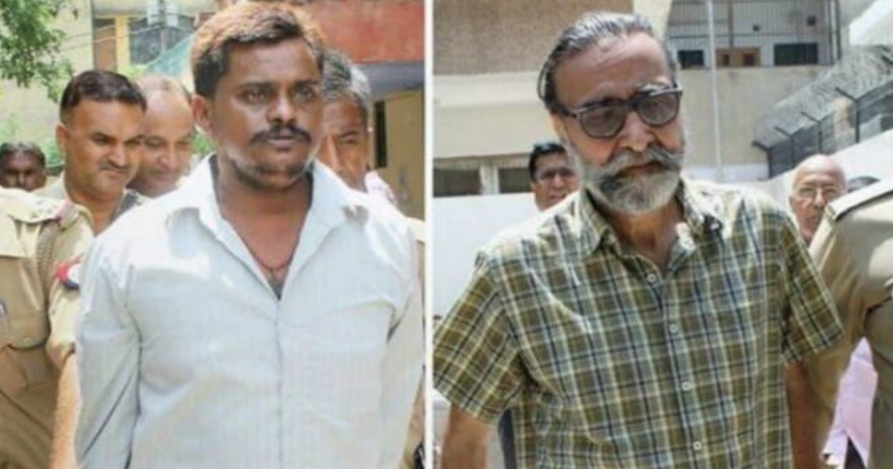
In acquitting Surinder Koli and Moninder Singh Pandher, accused of raping, killing and dismembering several minors and a domestic help, the Allahlabad High Court pointed brazen violation of basic norms of collecting evidence.
But the most crucial of them all was the “failure” to investigate of investigation the “possible” involvement of organ trade.
In its judgment, the court noted that the house of the accused was adjacent to one belonging to a doctor who “apparently was a suspect in a case of organ trade (kidney transplant).”
It said that despite specific recommendations made by the High Level Committee constituted by the Ministry of Women and Child Development, investigators did not look into the matter, calling it a “betrayal of public trust by responsible agencies”.
Calling the prosecution’s case circumstantial, the court also highlighted several procedural lapses, right from the date of the arrest, to the manner in which Koli's confession was recorded.
While the prosecution alleged that the arrest was made on December 27, 2006, the prosecution said it was made two days later. “Prosecution has not been able to successfully prove the circumstance that arrest was made on December 29, 2006.” It said there was no arrest memo on record.
Disclosure statement of the accused was not placed on record.
“The prosecution evidence regarding the place and time of making the alleged disclosure statement is full of contradictions. The only two police personnels produced in evidence on this aspect… contradict each other.”
It goes on to say that the discovery of the bones, skull or skeletons recovered from the drain behind house the cannot be placed in evidence because of the absence of a “disclosure statement; non-specification of the time, place and contents of disclosure; absence of independent witnesses and contradictory version of contents of information furnished”.
The sole independent prosecution witness said that a large crowd had already gathered at the spot when he arrived, which the court says suggests that “some incriminating material had already been found”. The witness also admitted that digging at the spot had already started by the time he arrived.
The court raised questions about the duration that Koli spent continuously in police custody -- 60 days.
It said he remained in police custody from December 29, 2006 to January 14, 2007 and was in the custody of CBI till February 28, 2007.
It said that CBI’s explanation that there were different Investigating Officers in the 16 separate FIRs lodged against him was “not convincing” and that if Koli had already confessed to the police on December 29, 2006, “there is no reason as to why he was not produced before the Magistrate before March 1, 2007 for recording of his confessional statement”.
It also said that Koli was not medically examined in order to rule out the possibility of physical torture.
“Accused at the first opportunity has retracted from confession and alleged that he was brutally tortured while in police custody. He offered to be medically examined as his genitals were burnt and his nails had been extracted but the accused was not examined medically,” the court said.
“There was no legal aid given to the accused and the legal aid given for 5 minutes by the ACMM, Delhi on MArch 1, 2007 amounts to its denial and has occasioned failure of justice for the accused… no legal aid was given to accused SK at the time when his confession was being video-graphed,” it said, adding that there was no independent corroboration of murder, rape or cannibalism in the confession with other evidence on record and that the events mentioned in the confession were highly improbable.
Slamming the investigators, the court said, “The casual and perfunctory manner in which important aspects of arrest, recovery and confession have been dealt with are most disheartening, to say the least.”
The court noted how initially the prosecution’s case was against Koli and Pandher but with the passage of time, “the guilt was fastened exclusively upon the accused (Koli)”.
The court also said that it appeared that the investigation Opted for the easy course of implicating a poor servant of the house by demonizing him, without taking due care of probing more serious aspects of possible involvement of organized activity of organ trading”.
(With inputs from agencies)