

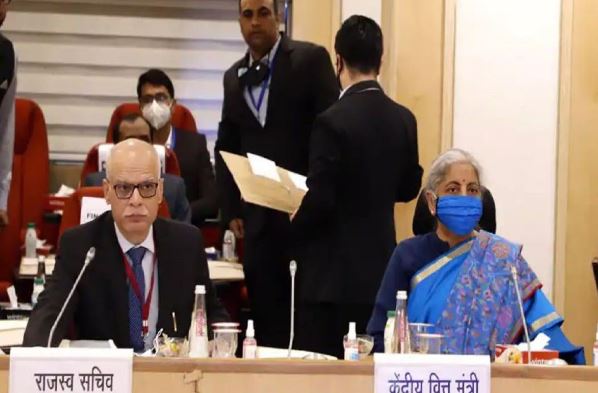
July 1 will mark the completion of five years of implementing the Goods and Services Tax (GST), and all eyes are set on the 47th meeting of the all-powerful GST Council scheduled to be held over two days on June 28 and 29 in Chandigarh.
Here is a list of key announcements that are hoped for, and expected:
The Rs 40-lakh threshold exemption for intra-state sales and the Rs 1.5-crore threshold under composition scheme available to offline sellers are not applicable to online sellers yet. The extension of this threshold and composition benefit to online sellers of goods, is one of the most-eagerly awaited developments, and is pegged as a game changer in the e-commerce landscape. It is interesting to note that this change was specifically recommended in the 172nd Parliamentary Committee report on ‘Promotion and regulation of e-commerce in India’, recently presented to both the Houses of Parliament. The dropout stemming from this lack of parity is about 60-70 percent.
The uneven treatment of input service refunds vis-a-vis inputs in the event of an inverted duty structure, has been one of the serious issues faced by the manufacturing sector, specifically for lower GST rate products (typically under 12 percent or 5 percent category).
More than a year ago, the GST council constituted a Group of Ministers (GoM) on casinos, racecourses, and online gaming. It is understood that decisions on this issue will follow the existing laws and rulings of the Supreme Court. The GoM is considering doing away with the distinction between game of chance and game of skill, thereby bringing all online games into the highest tax rate slab of 28 percent. If formalised, the 28 percent tax rate on online games will be the highest anywhere in the world, and the industry has been representing against this.
The GoM on rate rationalisation has already conducted several meetings to discuss various rate rationalisation measures. While the GoM has sought an additional six months to submit its final report, certain aspects such as elimination of tax exemptions and rate changes, including correction of inverted duty structures on select products, are likely to be taken up in the council meeting. Exemption to COVID-19 drugs, a new valuation scheme for tour operators, and other clarifications are on the cards.
Industry also anticipates that the GST council will include the long-awaited announcement regarding the formation of the GST Appellate Tribunals on its list of discussion topics. The delay in setting up of tribunals, which has had to grapple with some legal issues, has resulted in challenges to the extent that even for disputes where companies could have expected relief at the tribunals, are forced to approach high courts, which in turn increases their cost of litigation, and the efforts involved.
In order to deter bogus input tax credit claims, and speed up the settlement of legitimate ones, it is anticipated that the GST council will discuss changes to the summary return and monthly tax payment form, GSTR-3B. Another expected announcement is the decision to allow authorities a longer window of opportunity to complete assessment, and demand tax in view of disruptions caused by COVID-19.
While the Centre has extended the levy and collection of the compensation cess up to March 2026 only to repay the borrowings of states due to the shortfall in collections in the last two years, since many states continue to push for the extension of the GST compensation mechanism beyond June 2022, the compensation issue is likely to feature in the meeting.
Having turned five, GST is undoubtedly at a crucial juncture. The expectations and the final announcements of the GST council meeting will set the roadmap for the years to come, especially if we are to continue seeing forward-looking policy reforms.
(With inputs from agencies)