

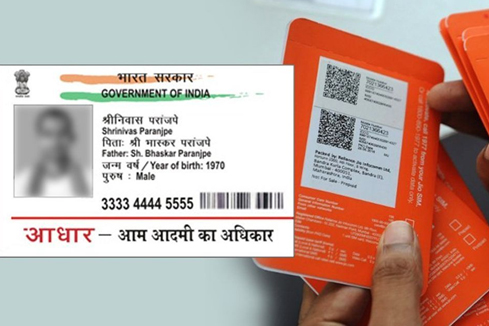
New Delhi: A day after the Supreme Court struck down Section 57 of the Aadhar Act that allowed sharing of Aadhaar data with private entities, companies don’t have clarity on what the ruling means for their business.
Many companies in the telecom, banking and finance sector are waiting for a notification from their respective regulatory authorities; few say the judgement doesn’t affect them. There is a disagreement even in the legal community on the interpretation of this specific section of the verdict. Some argue it is now impossible for private companies to use Aadhaar data at all; others say Aadhaar can be used as long alternatives are made available to customers.
Aadhaar data is primarily used for e-KYC purposes. e-KYC is a paperless Aadhaar-based process used to ease the customer identification process and get details such as name, address, date of birth, sex and photograph. eKYC, companies say, speeds up the process and reduces the KYC cost for the company. Following the verdict, two big questions loom for the private sector. First, will the companies be required to delete existing Aadhaar-related data? Second, can the firms make use of Aadhaar e-KYC services going forward?
Individual customers always had the option to get their data deleted — even before the judgement. UIDAI guidelines say that an Aadhaar number holder can revoke consent given to any entity “for storing his e-KYC data or for sharing it with third parties” and upon such revocation, the entity “shall delete the e-KYC data and cease any further sharing”. Nafees Ahmad, Chief Information Officer of Indiabulls Housing Finance Limited, said the company will delete Aadhaar-related data if customers provide with alternative KYC related documents. Ashish Gupta, chief technology officer of PolicyBazaar, an insurance web aggregator, also said customer data will be erased if requested.