

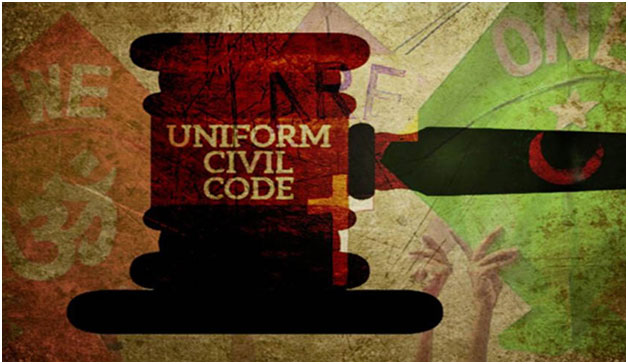
NEW DELHI: The Law Commission of India, which is working on a draft Uniform Civil Code (UCC), will steer clear of most personal laws relating to Muslim marriage and divorce so as to avoid a conflict with the Supreme Court. The commission firmed up its stand days after the Supreme Court admitted pleas to examine the practices of polygamy, nikahhalala, nikahmutta and nikahmisyar . The last three are different types of temporary contractual marriages.
Law Commission of India chairman Balbir Singh SinghChauhan said on Thursday, “How can we touch what is sub judice? The effect of the Supreme Court’s decision will be binding upon us,” Chauhan, a former judge of the top court, explained. He said the commission would, however, still examine Muslim personal laws “relating to adoption and succession”.
The commission has till the end of its term in August to submit its report on the UCC while the SC admitted the pleas on March 26. The commission’s decision effectively means that it will not deliberate on the most politically contentious and hotly debated personal laws. The Shah Bano case in 1986, after which the government brought in a law to negate the effect of an SC judgment awarding maintenance to the plaintiff, triggered the debate over the constitutional allowance for different communities to follow their personal laws with regards to marriage, divorce, maintenance, adoption and succession.
Hindu family laws were modified in the 1950s but those for the Christians and Muslims are colonial-era relics. Activists have long argued that Muslim personal law, which has remained mostly unchanged, contains provisions that are unfair to Muslim women, often victims of polygamy and the triple talaq system.