

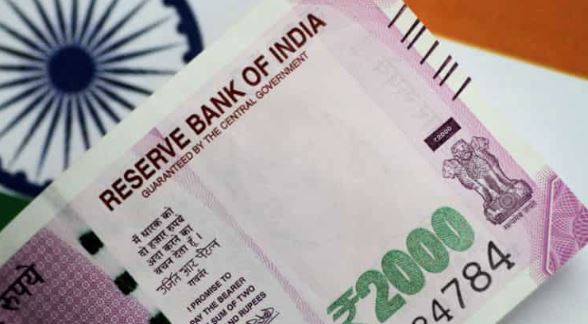
The Rupee plunged below the 82 mark for the first time against the US dollar on 29 September. By 10 October, the Rupee further slid downhill to 82.75. The currency had been on a fast-paced downslide over the recent months along with its Asian peers. Various factors have contributed to currency instability when the world is staring at a looming economic uncertainty.
The hike and volatility in crude prices caused due to the war in Ukraine has significantly moved up India’s import costs, thereby creating more demand for the US dollar. The pent-up demand after the COVID-19 crisis has not been met with sufficient supplies. The zero-Covid strategy in China had greatly subdued its manufacturing potential, leaving the world short of adequate supplies.
The disruption of COVID-19 had lent a big blow to the global supply chains, unsettling global and regional connectivity. The sanctions on Russian crude and natural gas have critically affected many European countries. The supply-side constraints have been the major factor behind the high inflation rates reported by chief economies of the world.
So far, India has fared better than the US and other western economies. The inflation rate in India is hovering around 7 per cent which is still in the manageable spectrum. The US and many European countries consistently report inflation rates of over 8 per cent which is way over the norms of advanced economies.
The continuing hawkish stance of the Federal Reserve is further bolstering fears of recession. The climate of creeping instability is forcing all the money to be parked in safe havens like the US dollar as a hedge against potential risks. Foreign Institutional Investors (FIIs) had been net sellers in the Indian Stock Market during September.
Yuan depreciation in recent months has made Chinese imports much more attractive that further led to the lowering of demand for the Indian Rupee. Aggregately, prevailing economic conditions are causing widening of the Current Account Deficit (CAD) of the country. As per the latest data from RBI, the CAD increased from 1.5 per cent of the GDP in the January-March quarter to 2.8 per cent of the GDP in the April-June quarter.
The Reserve Bank of India (RBI), India’s central bank, sold its Foreign Exchange Reserves (Forex) aggressively from July to prevent the Rupee from crossing the psychological mark of 80. India’s Forex dropped to $537.5 billion by 23 September, the lowest level since August 2020.
The Rupee settlement system
The RBI for a long time has been deliberating on ways to reduce dependence on the US dollar and tide over US sanctions in various parts of the globe. In July, the RBI permitted international trade to be invoiced, denominated, and settled in Indian Rupee. Market forces would determine the rate of exchange of trade. Touted as an early step toward internationalization of the Indian Rupee, it remains to be seen how the step will play out in the long term.
Deputy Governor of the RBI said on 30 September that around five countries have responded positively to its plan to settle international trade in Rupees, but the process involves technicalities at the level of banks and is going to take some time.
If implemented in the long term, the mechanism would reduce the over-dependence on the US dollar and save precious Forex reserves. In the near future, major benefits could be reaped in trade with Russia and Iran, where the US sanctions have made the trade in US dollars almost an impossibility. Countries with an export surplus with India might not be largely enthusiastic straightaway, because they will have no use for excess Rupee unless it has achieved widespread international acceptance.
Inclusion in Global bond indices
India’s efforts to get included in the Global bond indices is another step by the government that could alter the currency status-quo. The RBI is working closely with the government to enable international settlement of government securities and incorporation of rupee-denominated bonds in Global bond indices.
Russia’s recent exclusion from the JP Morgan government bond index-emerging markets (GBI-EM) has left the index unbalanced boosting India’s chances of inclusion. Morgan Stanley, a leading brokerage firm said that the inclusion could attract $170 billion to $250 billion to India in foreign inflows over the next decade. The firm also expects the Rupee to appreciate by 2 per cent every year in REER (Real Effective Exchange Rate) terms, in addition to creating a better investment climate.
JP Morgan GBI-EM and FTSE Russell—two Global bond indices have already put India on the watch list for possible inclusion. Major hindrances that need to be removed before inclusion are India’s local bond settlement rules and tax hurdles. In September, GBI-EM deferred inclusion of Indian government bonds till early next year. The government is not yet willing to exempt foreign investors from capital gains tax because it would discriminate against domestic investors.
Pilot launch of India’s digital currency
On 7 October, the RBI released a concept note on the proposed digital Rupee. One of its stated objectives is the improvement in cross-border transactions. India is wary of the rapidly expanding Chinese CDBC (Central bank digital currency) project and fears being left behind if digital Yuan increases its stature as a global currency. India feels it has to set the ball rolling, to gain a fair share of future global transactions, denominated in Rupee.
Gradual depreciation of the Rupee may be good for boosting India’s exports. Nevertheless, it is imperative to prevent drastic falls and preserve currency stability. Inclusion in Global bond indices would cater well for Rupee stability because it allows for parking of global passive funds in Indian markets. Expanding the horizons of Rupee will increase its worldwide acceptance and builds trust. Precisely the reason why the national government is bent on internationalization of the Rupee, even if it shrinks the fiscal space of the government.
(With inputs from agencies)