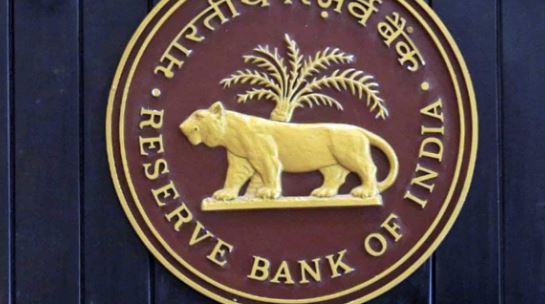
A prolonged output gap in the economy is still waiting to be bridged, but the Reserve Bank of India had no option but to shift its focus to its principal mandate of inflation targetting after giving growth apparent priority for over two years. Given that geopolitical developments have amplified the threat of imported inflation, the RBI would have come under the glare of criticism, had it not signalled a change in priority at this juncture.
The revised inflation forecast for FY23, which reflects the central bank’s assessment of a steady decline, assumes normal monsoon and average crude oil price of $100 per barrel. It has projected 6.3% inflation for the first quarter, followed by 5.8% for the second quarter, 5.4% and 5.1% for the third and fourth quarters, respectively.© Provided by The Financial Express The revised inflation forecast for FY23, which reflects the central bank’s assessment of a steady decline, assumes normal monsoon and average crude oil price of $100 per barrel. It has projected 6.3% inflation for the first quarter, followed by 5.8% for the second quarter, 5.4% and 5.1% for the third and fourth quarters, respectively.