
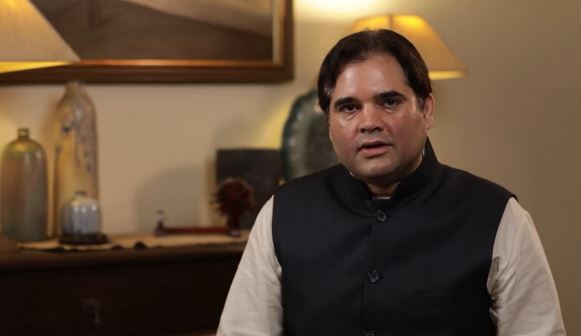
Over the past few years, he has been seen to be aggressive against the Centre. Be it his protest against industrialists like Vijay Mallya or issues like farmers' suicides under the pressure of debts - Varun Gandhi has repeatedly slammed the Modi government. This time, the controversial MP has also spoken about 'Agnipath' in the same way. Raising his demand for pension for Agniveers, Varun said he will also give up the pension if the pension for Agniveers are not introduced.
Read more ... Add new comment