
4

China suspends Sri Lankan solar plants after India protest

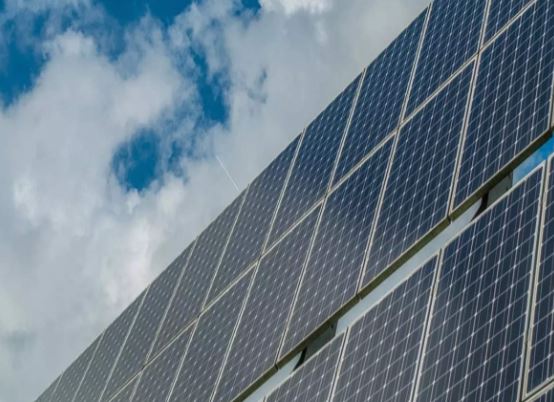
China has decided to suspend a project for construction of Hybrid Energy Systems in Sri Lanka by Chinese firm Sino Soar Hybrid Technology, a Lankan media report said. These systems were to be constructed in three northern islands located close to India.

India was reported to have lodged a protest with Sri Lanka in January this year after the Chinese firm got a contract to build solar power plants in northern islands. Sri Lanka had recently awarded a contract to a Chinese firm for the development of East Container Terminal at the Colombo port, a project Lanka had first committed to India and Japan.

The Chinese embassy in Colombo said in a tweet that the solar power systems project in northern islands in Lanka had been suspended because of security concerns expressed by a third party even though it didn’t name India. The embassy went on to state that the same firm had now signed a contract with the Maldives.

983

Tata Sons announces to transfer Croma’s owner to digital business arm

Tata Sons chairman N Chandrasekaran is transferring Infiniti Retail (which owns electronics chain Croma) to Tata Digital as he looks to bring together an ecosystem of consumer-centric, omnichannel commerce brands under one roof, according to people in the know. The changes in Infiniti Retail’s shareholding is the first rejig within the conglomerate’s omni-channel commerce business even though the two-year old Tata Digital has built a model through acquisitions (BigBasket, 1MG & CureFit).

The move comes as Tata Digital tests its super app Tata Neu in beta version among the conglomerate’s huge employee base. Many of the Tata Group’s consumer brands, including Croma, are on Tata Neu, with a commercial launch slated for next year. The government’s proposed consumer protection rules, among other factors, pushed Tata Neu’s commercial debut to 2022 from this year.

903

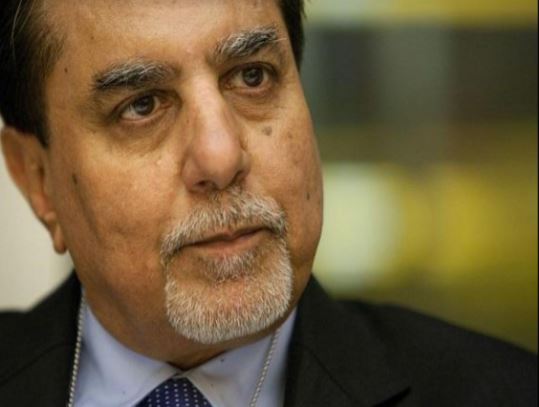
Supreme Court stays FIR against Yes Bank by Chandra

The Supreme Court on Tuesday stayed the criminal proceedings initiated by UP police on FIR lodged by Essel Group founder Subhash Chandra against Yes Bank and expressed concern over criminal procedure being invoked in a dispute of civil nature between two companies.

A bench said that invoking criminal proceedings in matter of civil dispute would have very serious consequences. Senior advocate Abhishek Singhvi, appearing for the bank, contended that proceedings against the bank by UP police was abuse of law as the UP police took steps to freeze the voting rights on Yes Bank’s stake held in Dish TV.

802

Revenue receipts RS 2 lakh cr short of Budget estimates: CAG

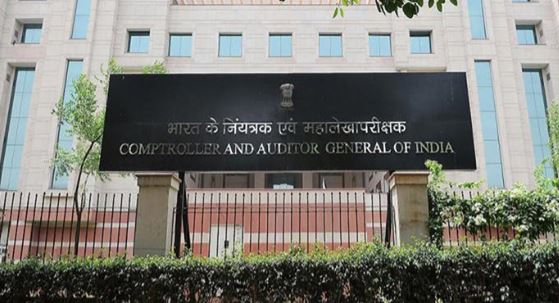
The Comptroller and Auditor General (CAG) tabled a report in the Lok Sabha on Monday on the Government of India’s account for financial year 2019-20, stating that the Centre fell short by more than Rs 2 lakh crore from the revenue receipts estimated in the budget.

“Although the Union government envisaged a considerable reduction in revenue receipts at the RE (revised estimate) stage as compared to BE (budget estimate), actual revenue receipts were lower by Rs 2,05,344 crore than the revised estimate,” the CAG noted. The Union account scrutiny by the federal auditor revealed that in the case of tax revenue, though the revised estimate was lower than the budget estimate (Rs 1,44,685 crore), the actuals remained further lower than the RE (Rs 1,47,995 crore).

583

Corporates exclusion from banking shrinks buyer pool for PSBs

The Reserve Bank of India’s decision to keep corporates away from bank licences will help the government sidestep allegations that it is selling banks to big business. However, the number of prospective buyers for public sector banks (PSBs) will shrink.

In the absence of any deep-pocketed corporate house, the bidders for PSU banks would have to be either private or multinational banks, or private equity investors who would be in a position to come up with a couple of billion dollars to buy a bank. The challenge in the case of private equity investors is that they would look for an exit after a few years, while multinational banks are increasingly reducing their retail exposure as retail banking is becoming a domestic activity because of compliance costs.