
803

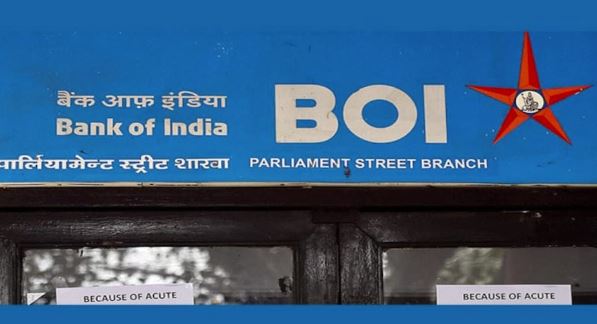
Bank of India acquires 5.56% stake in ONDC for Rs 10 crore

State-owned lender, Bank of India, said on Tuesday that it has acquired over 5.56 per cent stake in Open Network for Digital Commerce (ONDC) for Rs 10 crore. “In accordance with the provisions of Regulation 30 of the Securities and Exchange Board of India (Listing Obligations and Disclosure Requirements) Regulations, 2015, we hereby inform you that on 27.09.2022, Bank has invested in the capacity of Promoter Shareholder of ONDC, an amount of Rs 10 crore in Open Network for Digital Commerce (ONDC), under Private Placement Route,” stated the lender in a regulatory filing.

It said that as of September 27, the lender’s shareholding in the company amounts to 5.56 per cent of the total shareholding as a result of the equity participation.

The bank said that the deal is expected to complete in the second quarter of FY23.

703

Oil prices hit nine-month low on recession fears

Oil prices hit nine-month lows on Monday, driven down by an expected decline in fuel demand as rising interest rates raise the likelihood of global recession, with further price pressure coming from a surging U.S. dollar.

Brent crude futures for November settlement slipped by 82 cents, or 1%, to $85.33 a barrel at 1110 GMT. The contract fell as low as $84.51, the lowest since Jan. 14.

US West Texas Intermediate (WTI) crude for November delivery dropped 74 cents, or 0.9%, to $78. WTI dropped as low as $77.21, the lowest since Jan. 6.

693

RBI may hike rates by 50bps at this week's policy meet

An increase of 50 basis points (100bps = 1 percentage point) in interest rates by the monetary policy committee (MPC) of the RBI is seen as inevitable by economists in the wake of the 75bps hike by the US Fed. The subsequent pressure on the rupee has made it more likely that the domestic central bank would increase rates too this Friday.

This is the first time that the impact of the repo-linked lending rate on customers in a rising interest rate regime is being tested. The repo is the rate at which the RBI lends money to banks. The repo-linked lending rate was introduced in October 2019. It was done after the central bank determined that floating rates were ineffective in passing on rate cuts. Retail borrowers saw their loans become almost instantly cheaper when the RBI cut rates from 5.15% at the start of the pandemic to a low of 4%. Since then, inflation - triggered by a surge in crude oil prices in the wake of the Ukraine invasion - has forced the RBI to hike rates by 140bps to 5.4%.

603

Wipro chief who fired 300 employees for ‘moonlighting' on receiving end of 'hate mails'

Wipro chairman Rishad Premji found himself on the receiving end of 'hate mails' after he said that the company fired 300 workers for "moonlighting". The Wipro chief received a lot of flak for terming "moonlighting", which means taking up a second job or other assignments apart from one's full-time job as "cheating".

Rishad Premji said that the company fired 300 workers after they were found to be working for competitors secretly. The incident occurred "in the last few months", likely around the time when he tweeted about moonlighting. The senior executive also added that he is not against employees taking second jobs but hopes for more transparency.

The Wipro chief's remark sparked a debate on 'moonlighting', with people unhappy with Premji's decision allegedly sending him hate mails. Despite this, Premji has said that he still stands by his decision.

523

Rupee glides to a new low against US dollar, expected to fall further

The Indian rupee fell to a record low as the dollar strengthened after a 75 bps Federal Reserve rate hike. Worries over Russia also came in after Moscow escalated tensions with Ukraine. The rupee is at a record low of 80.48 per U.S. dollar from 79.97 in the previous session. After hitting a record low to the dollar, the Indian rupee is expected to fall more as the U.S. Federal Reserve hinted at more aggressive rate hikes to tame inflation. The median of Fed officials' outlook, which has U.S. rates at 4.4% by year's end and staying high in 2023, seemed to spook even hawkishly positioned rates and currency markets and quickly extinguished relief that rate hike had not been larger.