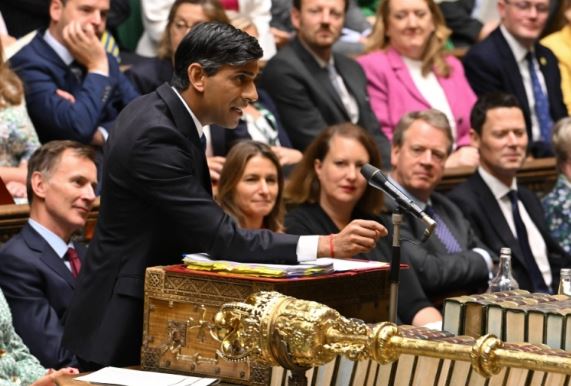
On Thursday, voters will go to the polls in three by-elections throughout England, with Prime Minister Rishi Sunak’s ruling Conservatives bracing for defeat in all three as Britain’s economic difficulties bite.
The Conservatives are defending large majorities in London, Yorkshire in northern England, and Somerset in the southwest, but they look to be losing support as recent scandals and a bleak economic picture take their toll.
The races take place ahead of a general election next year, with the major opposition Labour Party boasting poll leads of about 20 per cent and prepared to seize power for the first time in more than a decade.
Labour, led by Keir Starmer, won local council elections throughout swaths of England in early May, while Sunak’s Conservatives suffered significant losses in his first big political test since assuming office last October.
Since March of last year, the opposition has won five by-elections, but only one of them, Wakefield in Yorkshire, has been taken from the Conservatives.
Labour is now seeking to repeat that achievement in neighbouring Selby and Ainsty, where Nigel Adams resigned as Conservative MP last month after being passed down for a peerage by ex-prime minister Boris Johnson.
Labour is also eyeing victory in Johnson’s northwest London constituency of Uxbridge and South Ruislip after the scandal-tarred former leader himself resigned as an MP last month and triggered the ballot.
He quit after learning a cross-party parliamentary committee had concluded he deliberately lied to lawmakers about lockdown-breaking parties during the Covid pandemic and had recommended a 90-day suspension.
The Liberal Democrats are intent on overturning a 20,000-strong Tory majority in Somerton and Frome after its Tory MP David Warburton stood down following an admission of cocaine use.
Sunak, who became prime minister following the disastrous 44-day tenure of predecessor Liz Truss, initially succeeded in stabilising financial markets panicked by her radical tax-slashing agenda.
But the 43-year-old former finance minister has struggled to reverse his party’s declining fortunes, which first set in during the so-called “Partygate” scandal under Johnson.
Sunak’s turnaround efforts have in part been hobbled by persistently high inflation, which in recent months has spooked the markets once again.
With interest rates at their highest in 15 years, pushing mortgage and other borrowing costs ever higher, the worst cost-of-living crisis in a generation is showing few signs of abating.
Sunak kicked off the year by making five key vows to voters, including halving inflation, growing the economy and cutting waiting times within the overstretched National Health Service (NHS).
He has made little headway on most of the pledges, and there are persistent fears the UK will tip into recession this year as the high-interest rates constrain spending.
Sunak’s net favourability has fallen to its lowest level (40) since he entered Downing Street, with two-thirds of Britons saying they have an unfavourable view of him, according to YouGov.
His allies were downplaying the party’s prospects on Thursday while insisting there was still time for a Tory revival before the next national contest.
“As you’ve heard before, by-elections for incumbent governments are very difficult,” Sunak’s press secretary told reporters on the eve of the by-elections, adding that the Conservative Party was “most focused” on the general election.
(With inputs from agencies)