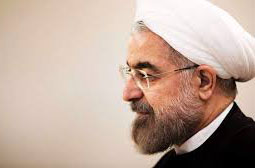
Incumbent Iran President Hassan Rouhani won the country’s presidential election that gave him a second four-year term. The victory gave him the second term to pursue his agenda to realize greater freedoms and outreach to the world.
Rouhani, 68, is a liberal face in Iranian politics who Iranians hope will achieve goals of reforms – greater political freedom and better relations with other countries.
In the election in which over 40 million electorates cast their vote, indicating a turnout of about 70 percent, President Rouhani defeated his hardline rival Ebrahim Raisi.
The big turnout appeared to have favoured Rouhani, whose backers’ main worry has been apathy among reformist-leaning voters disappointed with the slow pace of change.
Rouhani, 68, whose main poll plank was to open Iran to the world and give its citizens more freedom, faced an unexpectedly strong challenge from Raisi, a protege of supreme leader Ali Khamenei.
The election is important “for Iran’s future role in the region and the world”, Rouhani, who struck a deal with world powers two years ago to curb Iran’s nuclear programme in return for the lifting of most economic sanctions, said after voting.
Raisi, 56, has accused Rouhani of mismanaging the economy and has travelled to poor areas, speaking at rallies pledging more welfare benefits and jobs.
He is believed to have the backing of the powerful Revolutionary Guards security force, as well as the tacit support of Khamenei, whose powers outrank those of the elected president but who normally steers clear of day-to-day politics.
“I respect the outcome of the vote of the people and the result will be respected by me and all the people,” Raisi said after voting, according to the semi-official Fars news agency.
However, Raisi later appeared at the Ministry of Interior in Tehran on Friday and complained of a shortage of ballot sheets at many polling stations, according to Fars. More ballot sheets were subsequently sent out.
The Guards and other hardliners had hoped that a win for Raisi would have given them an opportunity to safeguard economic and political power they see as jeopardised by the lifting of sanctions and opening of the country to foreign