The Centre’s plan to restart vaccine shipments next month will help the world fight covid, but we mustn’t run short of doses to vaccinate under-18s and give older Indians booster shots
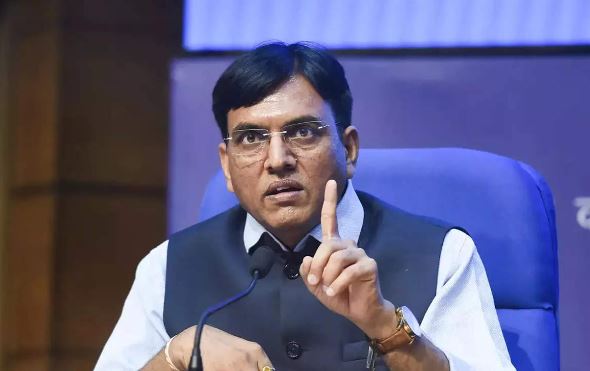
About five months after India stopped vaccine exports to deploy its entire output against a ferocious second wave of covid, the country is ready to resume outbound supplies. On Monday, Mansukh Mandaviya, who replaced Harsh Vardhan as health minister in a cabinet rejig after our summer infections ebbed and began to plateau in July, declared an intent to rebegin this October, when the ministry expects a surplus to be available.
This should come as a big relief for global vaccination efforts, particularly in countries that found themselves short of doses once we suffered a vax-inadequacy jolt at home and halted shipments.
The move is expected to aid the Covax initiative for global coverage. Based on compassion as much as the rationale that nobody is safe till we all are, this is a project worthy of our support. With vaccine hoarding by rich nations still a problem and inequities widening across the world, we must help plug gaps to the extent possible, now that our pandemic has stabilized at a manageable level. India’s active case count officially stands at around 318,000, the lowest in 183 days, and, unless a third wave starts, our rolling average of daily cases may slip under 30,000 soon. Nearly 810 million doses have been administered so far, with about 200 million Indians fully jabbed.
Serum Institute of India (SII) currently has an export backlog of a billion doses of Covishield, according to its chief Adar Poonawalla. As SII’s monthly capacity is projected to reach 160-220 million doses next month, those commitments would be easier to meet. However, while we do have other vaccines such as Bharat Biotech’s Covaxin, SII’s AstraZeneca formulation has been the mainstay of our immunization drive and so we must carefully calculate exactly how much of it we can spare. The vast majority of our adult population is not yet fully vaccinated and last week India demonstrated an ability to inject nearly 2.5 million doses in a single day, which exceeds our production rate. Apart from fulfilling this part of our agenda, we also need to expand inoculation in defence of under-18s and vaccinated older citizens whose protection would have begun to wear off.
That the impact of covid worsens with age is well known, but the infectivity and virulence of the virus’s Delta variant have shown that pre-adults are not as resistant as we earlier thought. This explains America’s rush to immunize them. Its guidelines recommend jabs for anyone aged 12 or above. As schools reopen in India, we must embark on a likewise exercise if the results of our safety trials show no danger. Zydus Cadila’s ZyCoV-D vaccine already has approval for kids, but not others yet. Also, at highest risk are the elderly. And those who are many months past their second dose will need booster shots. Recent research indicates a slow decline in vaccine efficacy over time.
A British study published last month, for example, found that AstraZeneca’s efficacy among 35-64-year-olds dropped below 50% after about 50 days of a second dose and then slid to under 45% by 100 days. As Covishield uses the same formula, we could assume a similar downtrend for it. All this underscores the need for reliable estimates of demand. Poor pandemic planning has let us down before and we cannot afford fresh errors. Exports could restart modestly and follow a path closely calibrated to suit both our supply goals, but we clearly need to ramp up India’s production capacity further if we’re to have sufficient doses to properly secure ourselves.
(With inputs from agencies)